

Jesus’ Resurrection is More Than True
Our culture needs us to go beyond the validity of Jesus rising from the dead.

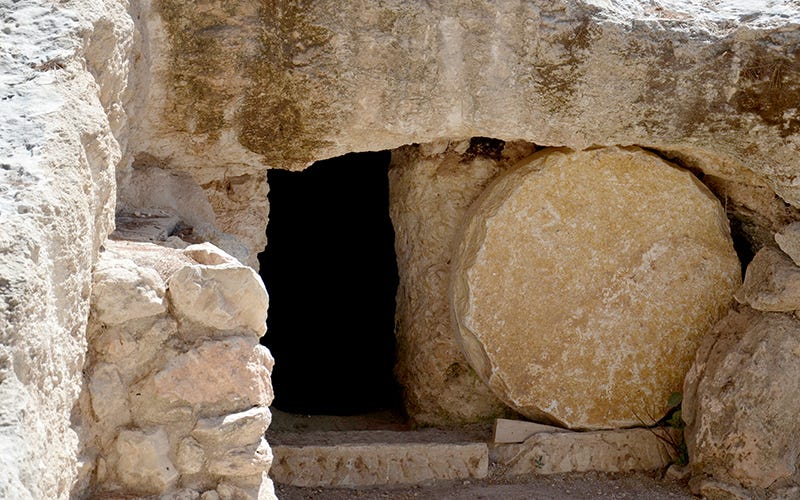
Non-Christians don’t need us to tell them Jesus rose from the dead. They need us to demonstrate why it matters.
The truthfulness of the resurrection is not as controversial as you may think. According to Lifeway Research’s 2025 State of Theology study, around 2 in 3 Americans (65%) say they believe the biblical accounts of Jesus’ bodily resurrection are true.
Someone may say this number is inflated because of Christians. It is certainly the case that those who claim to follow Jesus are the ones most likely to believe He rose from the dead.
Among regular churchgoers, 90% accept the resurrection. The same is true of 94% of evangelical Protestants, 85% of Black Protestants, 79% of mainline Protestants, and 75% of Catholics.
But it’s not only those groups who generally accept Jesus’ resurrection. Half (52%) of young adults 18-34 believe it’s true. Two in 3 (64%) Americans with at least a college degree agree. Even 44% of those who rarely or never attend church services say it happened.
There aren’t many issues in our country that have these levels of support across demographics. You can’t say, “Ice cream is delicious” without someone objecting that you are offending the lactose-intolerant.
So most Americans believe the resurrection is true, but a legitimate follow-up question would be: “Does it look like 2 in 3 Americans believe in the resurrection?”
And the answer is: “No, of course, our nation doesn’t seem to be one where almost everyone believes that Jesus rose from the dead.”
There is a difference between agreeing with a truth and assenting to it. Americans may agree the resurrection is true, but they haven’t assented to that truth in their lives. They need to know why the truthfulness of the resurrection should change everything about their life.
Walter Hooper, C.S. Lewis’ friend and secretary, described Lewis as the most thoroughly converted man he ever knew.1 It might seem odd when you consider Lewis describing himself at his conversion to theism as the most dejected convert in England.2 But those two perspectives are connected.
Lewis wrestled with the truth claims of Christianity. He initially rejected them because he knew all the ramifications that would automatically flow from accepting Jesus’ resurrection.
I once shared the gospel with a friend. He listened politely, but then told me that he wouldn’t give his life to Christ because, in his words, “I enjoy sinning too much.” While I was disappointed with his response, I appreciated his honesty.
Like the pre-Christian Lewis, my friend knew that following Jesus means submitting your life to Him and he didn’t want to do that. But many Americans haven’t counted the cost, as Jesus says we should.3
For a Christian hoping to share our faith with those around us, we have to do more than simply argue for the truthfulness of the resurrection. We have to demonstrate the importance of it. We have to show those around us why it matters on a daily basis.
We all believe many truths and hold innumerable facts in our minds, but very few of those are relevant when we receive a cancer diagnosis or we’re sitting on the bedside of a dying loved one.
But even beyond those pivotal moments, the resurrection matters when I’m stuck in traffic or just got into a stupid argument with my wife or disappointed someone at work.
A few years before his death, Lewis was discussing the end of life with a friend. He wrote, “If we really believe what we say we believe—if we really think that home is elsewhere and that life is a ‘wandering to find home,’ why should we not look forward to the arrival.”4
As the hymn goes, “Because He lives, I can face tomorrow.” But I can also face the tasks of today and the regrets of yesterday. The resurrection is more the true. The resurrection matters.
More from The Wardrobe Door
Archive

Recent


Elsewhere
Churchgoers Look to Join With Others in Their Discipleship Walk — Lifeway Research
Luke 14:28