

The Magician’s Nephew: Chapter 12 “Strawberry’s Adventure”
C.S. Lewis Read-Along, Vol. 6, Issue 13

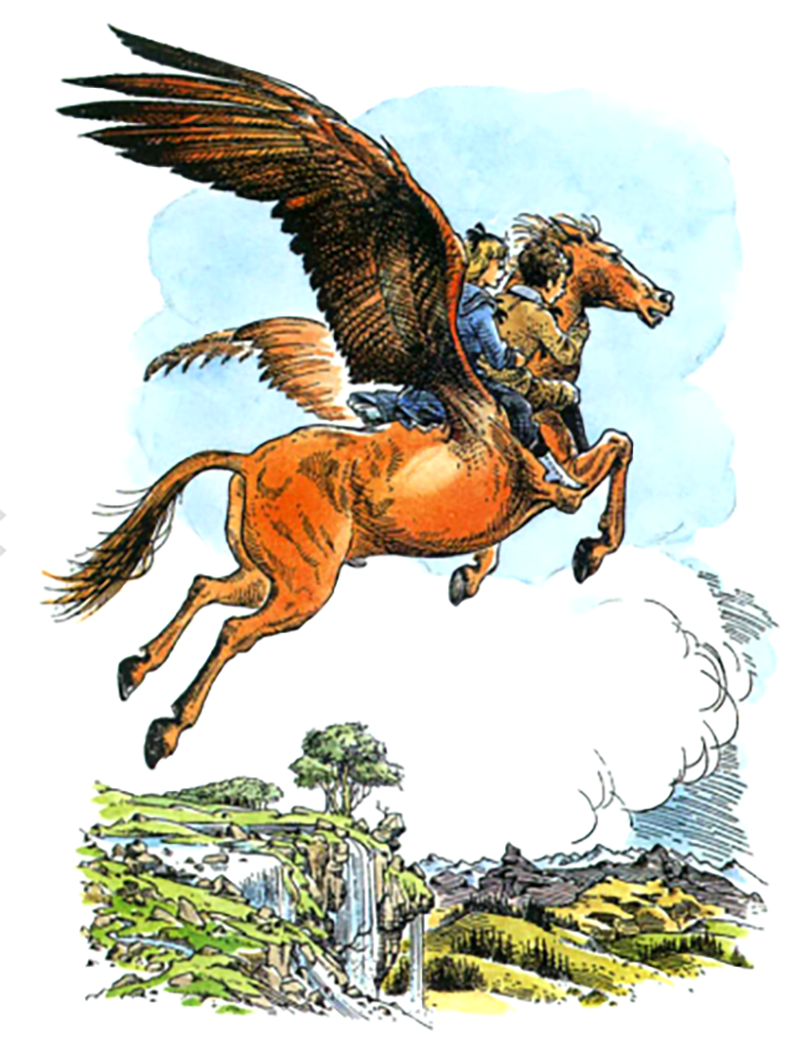
First, Digory is focused on Aslan’s paws. He wants something from him. But then “in his despair, he looked up at its face.” That changes everything. When we look to God’s face, we can appreciate that the greatest thing we can have is God’s presence.
Chapter 12 “Strawberry’s Adventure”
The echoes and reversals of Genesis only ramp up in these last chapters. Because we may be familiar with the term in previous Narnia books, we can gloss over the fact that Aslan calls Digory “Son of Adam.” But that is very intentional here.
Digory’s first instinct when asked by Aslan to undo the wrong he has done to Narnia, much like Adam, is to object and relocate the blame to someone else. But trust and obedience is the only way to move forward.
As he agrees to help undo the damage caused by his unleashing Jadis in Narnia, Digory wants to try to make a deal with Aslan to help in exchange for healing his mother, “but he realized in time that the Lion was not at all the sort of person one could try to make bargains with.”
In Surprised by Joy, Lewis records his own prayers for the miraculous healing of his mother when he was a young boy. It amounted to attempting to make a deal with God. If I offer this type of prayer, you are obliged to answer it and then “go away.”
Digory, like the young Lewis, is working to learn how to rightly order his loves. His love for his mother should be serious and even sacrificial, but it cannot be supreme.
In The Four Loves, Lewis describes God as the “Great Rival.” He writes, “The rivalry between all natural loves and the love of God is something a Christian dare not forget.”
Discussing Jesus’ words in Luke 14:26 that to be His disciple, we must “hate” our father, mother, wife, and children, Lewis writes that “we must turn down or disqualify our nearest and dearest when they come between us and our obedience to God.”
In The Great Divorce, a mother is unable to enter heaven and see her son because she is too attached to him. She lashes out at her brother, who is trying to convince her to lay down her suffocating “love” for her son:
I don’t care about all your rules and regulations. I don’t believe in a God who keeps mother and son apart. I believe in a God of Love. No one has a right to come between me and my son. Not even God. Tell Him that to His face. I want my boy, and I mean to have him. He is mine, do you understand? Mine, mine, mine, for ever and ever.
The Teacher tells the narrator:
There’s something in natural affection which will lead it on to eternal love more easily than natural appetite could be led on. But there’s also something in it which makes it easier to stop at the natural level and mistake it for the heavenly. Brass is mistaken for gold more easily than clay is.
Discussing this on Pints With Jack, one of the cohosts said the solution to loving good things too much is not to love them less but to love the best things more. That’s where Aslan is trying to take Digory. But notice how the lion meets him where he is.
